Natural Ingredients Guide

An educational overview of natural ingredients commonly discussed in nutritional science and wellness research. This page is not a shop. No products are sold here.

Informational content only. These descriptions do not constitute dietary recommendations. No products are sold on this site.

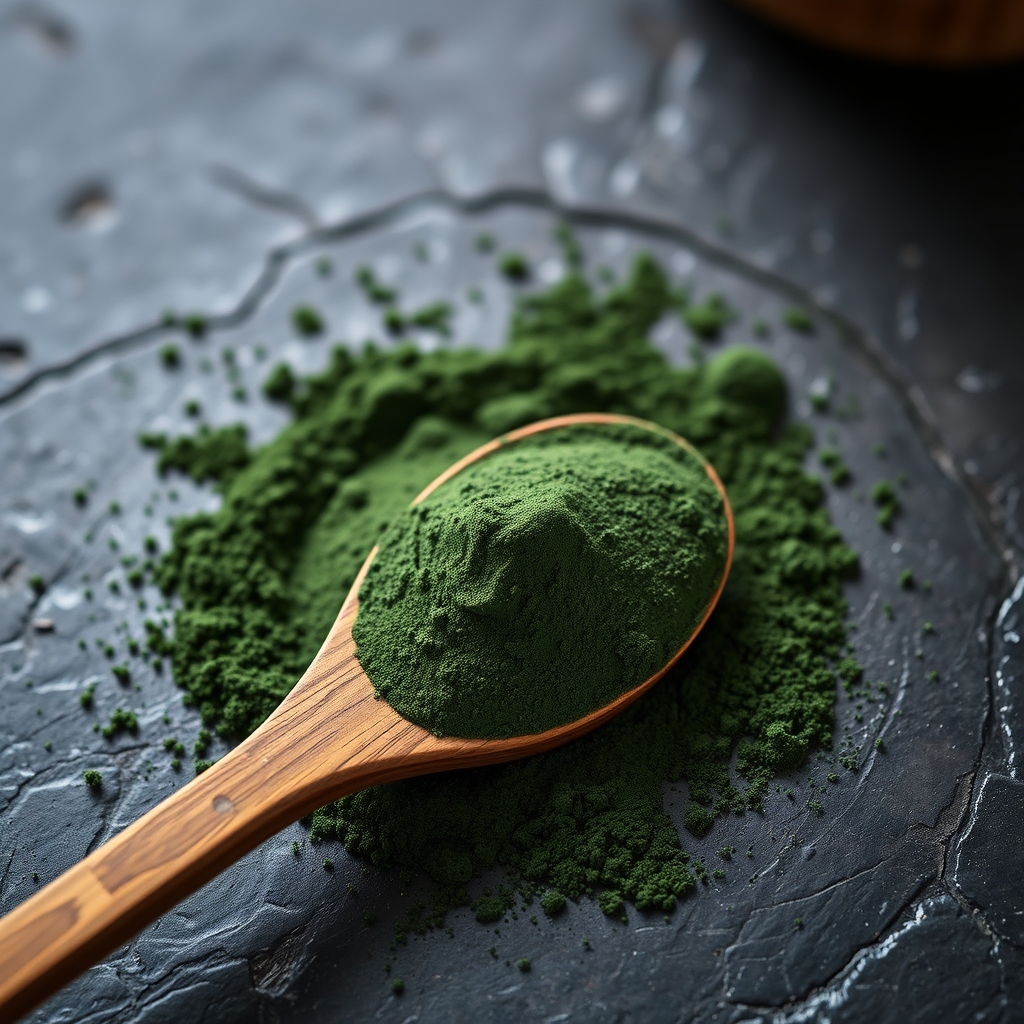
Spirulina powder on a dark stone surface with a wooden spoon
Microalgae — Arthrospira platensis

Spirulina

A blue-green microalgae cultivated in both fresh and saltwater environments. Spirulina has been subject to nutritional research since the late twentieth century due to its concentrated nutrient profile relative to its dry mass.

Educational properties noted in research:

  • Significant protein proportion by dry weight
  • Contains B vitamins and iron
  • Phycocyanin pigment studied for antioxidant properties
Discover Related Concepts
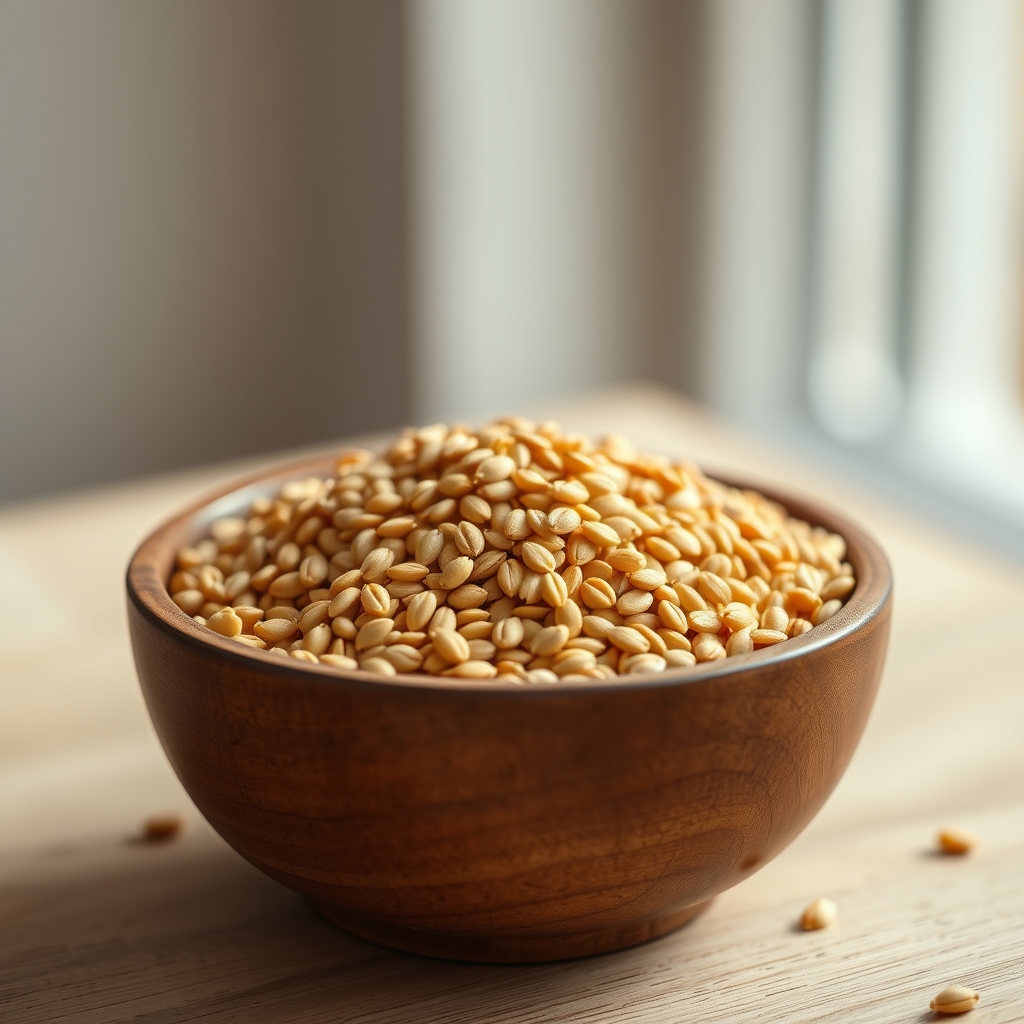
Golden flaxseeds in a wooden bowl in warm natural light
Plant Seed — Linum usitatissimum

Flaxseeds (Linseed)

One of the oldest cultivated crops in human history, flaxseeds have been consumed for millennia. Contemporary nutritional research examines their composition, which includes a distinctive fatty acid profile and a class of polyphenols known as lignans.

Educational properties noted in research:

  • Alpha-linolenic acid (ALA) content
  • Lignans — a class of dietary polyphenols
  • Both soluble and insoluble dietary fibre
Discover Related Concepts
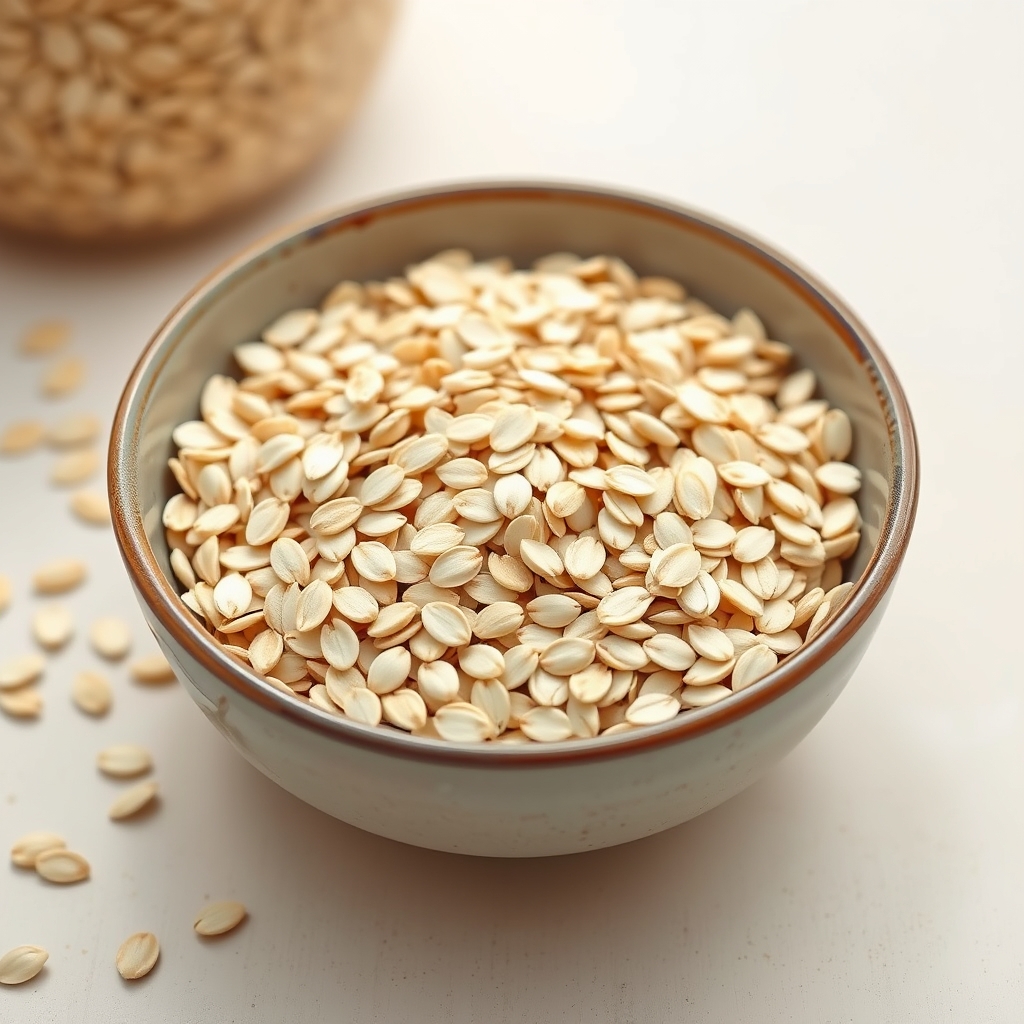
Whole oats in a ceramic bowl on a light background
Grain Fibre — Avena sativa

Oat Fibre

Oats are a cereal grain with a distinctive soluble fibre called beta-glucan. This component has been researched extensively in the context of digestive physiology and cholesterol metabolism, making oat fibre one of the more studied cereal ingredients in nutritional science.

Educational properties noted in research:

  • Beta-glucan soluble fibre content
  • Contributes to satiety perceptions in dietary studies
  • Whole grain context with vitamin and mineral content
Discover Related Concepts
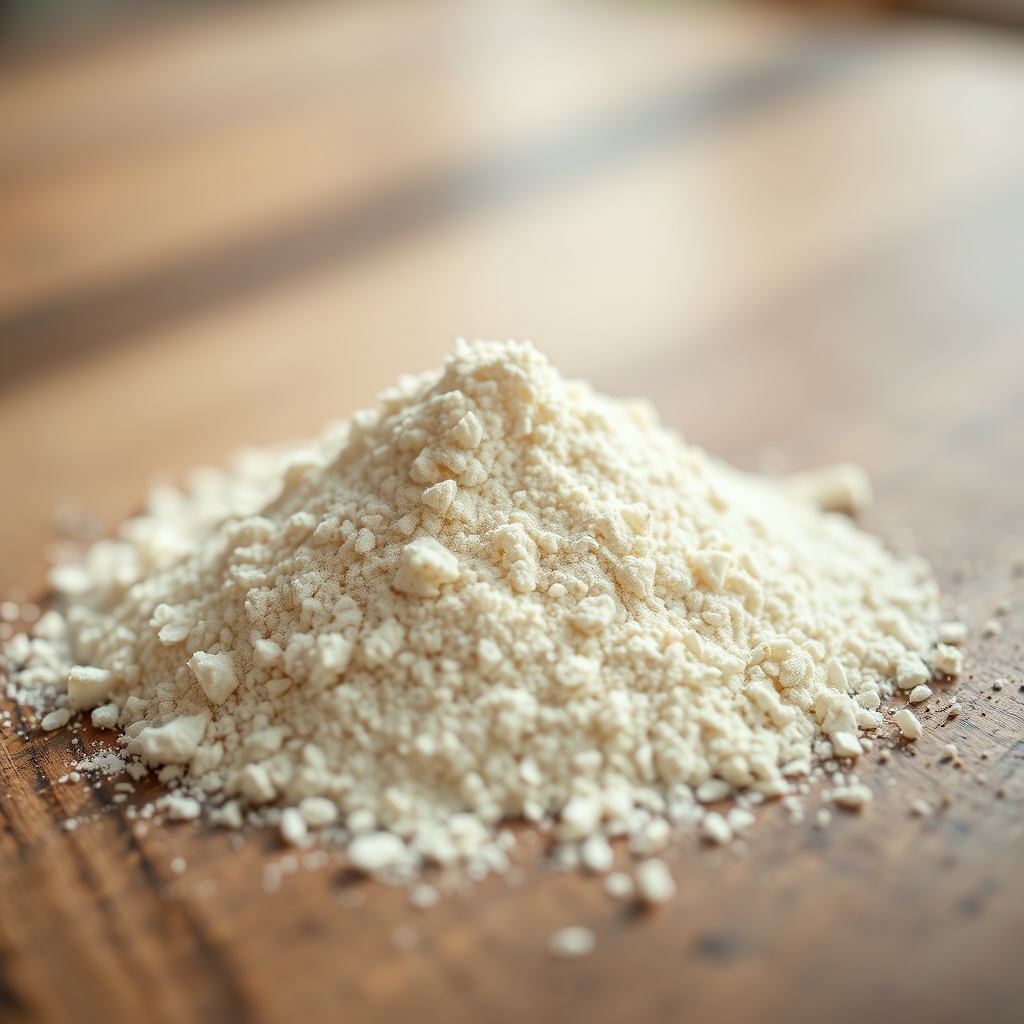
Psyllium husk powder close-up on a wooden surface with natural light
Plant Husk — Plantago ovata

Psyllium Husk

Psyllium is derived from the husks of seeds from the Plantago ovata plant, native to India and Pakistan. It is characterised by a very high content of soluble fibre and has been the subject of considerable research in the area of digestive function and stool regularity.

Educational properties noted in research:

  • Exceptionally high soluble fibre concentration
  • Forms a viscous gel in aqueous environments
  • Studied in context of digestive transit support
Discover Related Concepts
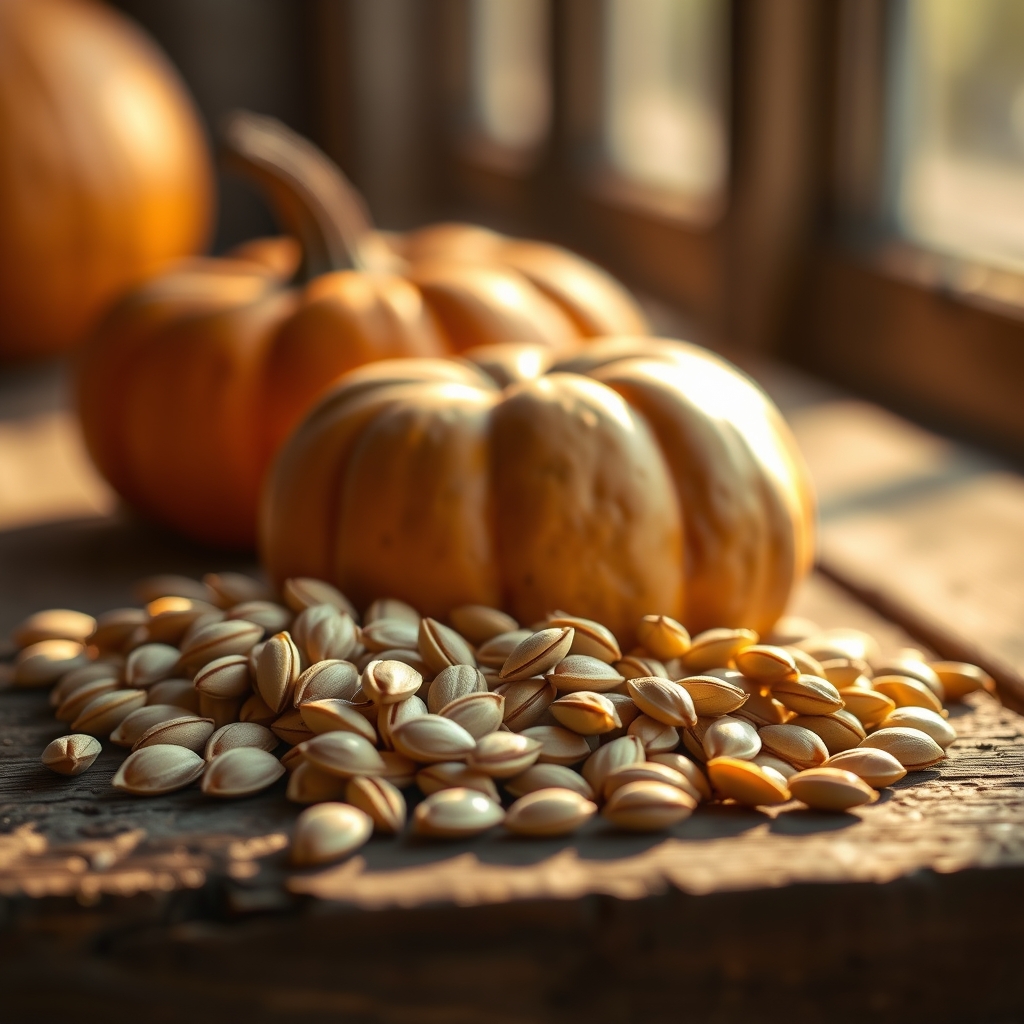
Pumpkin seeds on a rustic wooden surface in warm afternoon light
Plant Seed — Cucurbita pepo

Pumpkin Seeds

Pumpkin seeds, also referred to as pepitas, are the edible seeds of the pumpkin plant. They have been consumed as food across multiple cultures and are noted in nutritional literature for their mineral content and fatty acid composition.

Educational properties noted in research:

  • Contains zinc, magnesium, and iron
  • Unsaturated fatty acid profile including linoleic acid
  • Plant-based protein content per serving
Discover Related Concepts

Ingredient Properties at a Glance

The table below summarises the primary nutritional characteristics of the ingredients covered on this page. All information is educational and drawn from general nutritional science literature.

Comparative table of natural ingredient properties
Ingredient Primary Fibre Type Notable Fatty Acids Key Minerals Origin
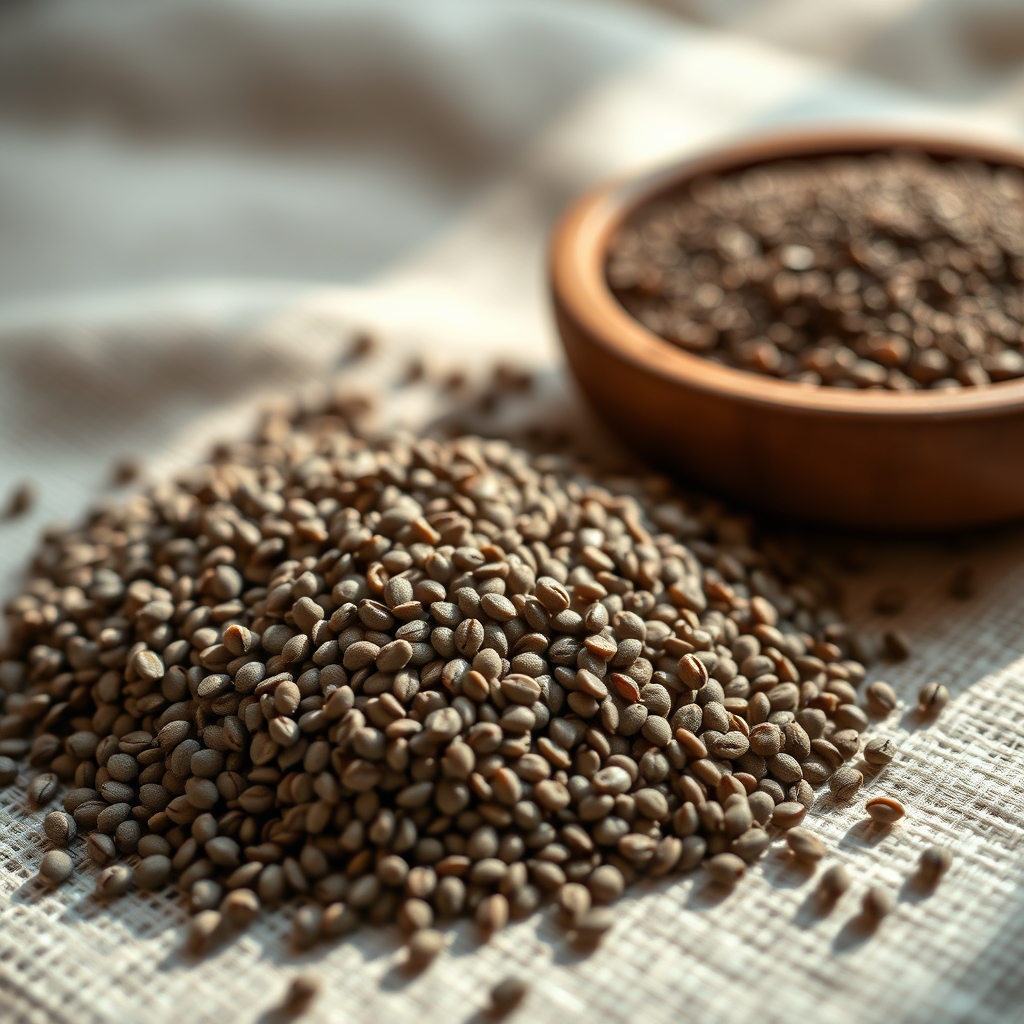
Chia Seeds Soluble and insoluble ALA (omega-3) Calcium, Magnesium Central America
Spirulina Minimal GLA (omega-6) Iron, Magnesium Freshwater/Saltwater
Flaxseeds Soluble (mucilage) and insoluble ALA (omega-3) Manganese, Phosphorus Middle East / Central Asia
Oat Fibre Soluble (beta-glucan) Minimal Manganese, Phosphorus Europe / Near East
Psyllium Husk Soluble (high concentration) Minimal Minimal India, Pakistan
Pumpkin Seeds Insoluble Linoleic acid (omega-6) Zinc, Magnesium, Iron Americas

Context and Limitations

The properties described in this guide reflect general educational perspectives drawn from nutritional science literature. Individual responses to dietary components vary substantially. This guide does not constitute dietary advice and is not intended to direct personal food choices. No products are sold on this site. All inquiry links lead to a general content inquiry form only.

Explore Related Educational Topics

The ingredients described here exist within broader nutritional contexts. Pijole covers topics including balanced eating patterns, hydration, physical activity, and habit formation. Educational content only. No promises of outcomes.